Showing posts with label *Supplement Care. Show all posts

Friday, January 18, 2013

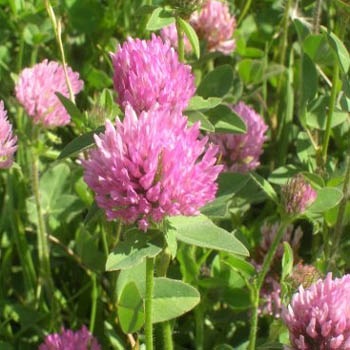
Herbs: Red Clover/ 香草药: 紅三葉


Another excellent herb that is not only good for woman, it is also great for your dogs and horses.
另一個出色的草本植物,不只是對女性有益,它也非常對你的狗和馬有益。
Monday, January 14, 2013

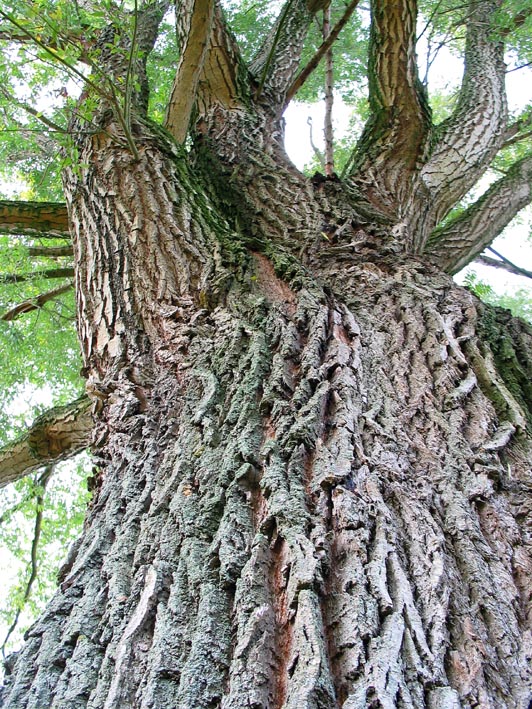
Herbs: White Willow/ 香草药: 白柳


White Willow is known for its pain relief abilities.  白柳已緩解疼痛的能力而聞名. 

Monday, January 7, 2013

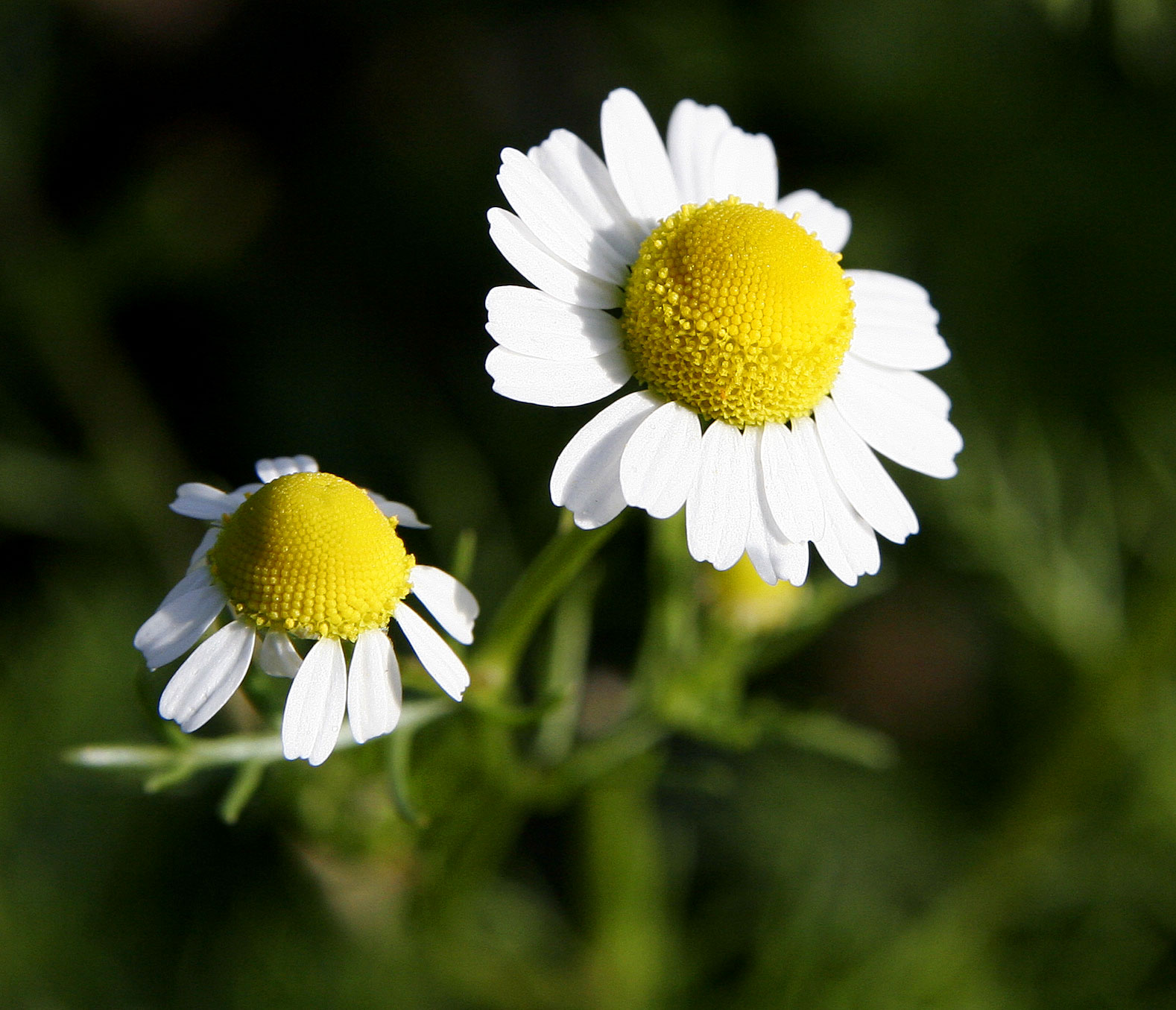
Herbs: Chamomile/ 香草药: 甘菊, 黃春菊

Great for both you and your four legged friends.

市面上有很多“人用”的甘菊產品,如茶,美容產品,芳香療法. 我個人也喜歡晚上喝一杯甘菊茶。它不僅對人很有效,它也對我們心愛的狗非常有效. 由於其鬆弛的性質,它可以幫助狗更好的應付壓力.


We see the use of chamomile in tons of "people" products such as tea, facial products, aromatherapy.  Personally, I love chamomile tea at night.  And, it does not only do magic for us, it also does magic for our beloved dogs.  Because of its relaxant nature, it can helps dogs to cope with stress better.

Thursday, January 3, 2013

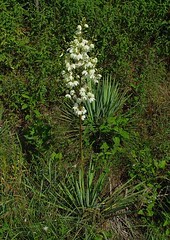
Herbs: Yucca / 香草药: 尤卡


Yucca is another excellent herb for its natural anti-inflammatory effect.  It can helps animal in wide variety of health issues such as joint, skin problems and digestion.   Research has shown that it has similar relief ability as steroid medications but does not have its side effect.
絲蘭是一個極好的草本植物, 由其它的天然抗發炎的效果. 它可以幫助動物在多種健康問題,如關節,皮膚和消化問題. 有研究表明, 它有類似類固醇藥物的能力但並無副作用 

Sunday, December 30, 2012

Herbs: Devil's Claw / 香草药: 魔鬼爪


非常有趣的名字! 其優異的抗發炎和疼痛的減速能力被稱為魔鬼爪. 有研究表明魔鬼爪的效果可比皮質激素保泰松 (bute) 但並無副作用。這種草藥是一能有於刺激淋巴系統和排毒.  魔鬼爪是非常受歡迎關節治療方法用於狗,馬和人.

Very interesting name!  Devil's Claw is known for its excellent anti-inflammatory and pain reducer ability.  Research has shown its effects are comparable with cortisone and phenylbutazone without the side effects. The herb is also a good stimulant of the lymph system and a detoxifying herb. It is a very popular treatments for joint pain in dogs, horses and people. 

Monday, December 10, 2012

Herbs: Arnica/ 香草药: 山金車

 
山金車是眾所周知能幫助血液循環, 帶走炎症, 並加速癒. 它具有抗細菌和抗發炎的特質, 可以減輕疼痛, 腫脹, 和改善傷口癒合您可以在我們不再痛產品係例找到山金車.  

Arnica is known to stimulate blood circulation which flushes out inflammation and speeds healing to an area. It has anti-bacterial and anti-inflammatory qualities that can reduce pain, swelling, and improve the potential for quicker wound healing.  You can find Arnica in our Sore No More Line of products. 

Monday, May 28, 2012

Herbs: Cat's Claw/ 香草药: 貓爪草

貓爪草, 是我們 紫錐花+ 的主要成分, 貓爪草以作用藥超過2000年,

Cat's Claw, a major ingredient in our Equinacea, has been used medicinally for over 2,000 years.


Benefits
  • Immune stimulant and enhancer
  • Boost digestive system function
  • To control inflammation and gastric ulcers
  • It has antiviral and anti-inflammatory function
  • Treats Parvo virus
  • Treats asthma
  • Acts as kidney cleanser
  • Treats inflammations of the urinary tract
  • Helps with arthritis, rheumatism, and bone pain
  • Treats Hip dysplasia
  • Cancer: Clinical studies have shown Cat’s Claw has anti-tumor and anticancer effects on dogs with cancer.  
  • To cure deep wounds
  • Treat dermatitis and other skin disorders
  • Treat cats: FIV, and feline leukemia

好處
  • 刺激和增強免疫力
  • 促進消化系統功能
  • 可控制炎症和胃潰瘍
  • 它具有抗病毒和消炎的功能
  • 治療細小病毒 (Parvo)
  • 治療哮喘
  • 有洗腎功能
  • 治療的尿路炎症
  • 幫助關節炎, 風濕病, 骨痛

  • 治療髖關節發育不良
  • 癌症臨床研究表明貓爪對狗癌症有抗腫瘤 和抗癌作用
  • 治愈深的傷口 
  • 治療皮膚炎和其他皮膚疾病
  • 治療貓:FIV 及 白血癌病


Use

You can choose our Equinacea, which contains Cat’s Claws, for all your dog and horse’s need.  I give 1/8 of a teaspoon x 2 times of Equinacea to my small dog.

You can also buy supplement for people and follow the supplement’s direction and proportion the amount to your pet.  I bought my herb at iherb.com, you can use this code to get discount ZUJ643 


你可以選擇我們的 紫錐花+其中包含貓爪 給你的狗和馬. 每天1/8 茶匙 x 2 次的紫錐花+ 給我的小形犬。


或者你可以買的人用補充品, 並按補充品 份量來分給你的動物.  iherb.com可買到, 您可以使用此代 碼獲得折扣ZUJ643


Also see / 其他:
-
- Herbs: Equinacea / 紫錐花- Herbs: Eyebright/ 香草药: 小米草
- Herbs: Osha Root / 香草药:奧沙
 

Monday, January 16, 2012

Preventative measure to keep your horse healthy!


FAQ: Which herbal blend should I be giving a horse that doesn't have any known problems?

It is important to make sure that a horse's intestinal integrity is functioning, so we recommend supporting the body with PrePro and digestive enzymes as a basic foundation, since horses are continually being barraged with wormers and medications that can leach the good bacteria from their gut.  It is also important to make sure that minerals are an important part of your horse's diet.  Today our soils are depleted as a result of air and water pollution, so our horses may not be getting proper nutrients.  Most chronic deficiencies and ailments are a result of mineral deficiencies.  It is important to make sure that a good portion of their minerals are coming from plant based sources.  Most minerals come from rock or synthetic sources that may be more difficult for a horse's body to process, absorb and utilize.  Since horses are herbivores their internal structure is created to process and utilize plant-based foods.


Monday, October 10, 2011

Pain relieve for Laminitis

Pain relieve for Laminitis


See Q&A with Bill Ormston, DVM on Laminitis and how our products can help:

Q:  I am working for someone who received a foundered mare, I am the main caretaker for this horse. How long can a horse be foundered with no treatment to be past the point of no return? Rotation in left, the right being the worst, bone sitting on top of sole.

A:    The question about foundering and how long can a horse last depend on numerous things. One of the most important aspects is the pain   tolerance of the mare. The limiting factor in most chronic laminitis cases is when the animal no longer wants to move. Good shoeing with thera pies  aimed at improving circulation in the feet will help. I would suggest Equilite's Four Hooves and Animotion (Devil's Claw Yucca Blend) and  LaminaSaver.  You might want to look at the www.holistichorse.com website for more information on the topic. The farrier Gene Ovnicek is also a great resource for foundered horses. 

Q:       My Arabian mare, age 16 yrs, suffered a bad bout of laminitis about 6 or 7 yrs ago. It started out with the boarding facility owner giving her and their ponies day-old pastries and breads from their restaurant.  I moved her to another farm, but my mare only got worse, because I found out that farm's owner was giving my mare grain, against my vet's orders.  I moved my mare again after she was recovered enough to stand up again.  She's been healthy and sound the past several years and has had only very limited exposure to grass. She gains weight pretty easily and loves to eat. I would like to eventually get her back to a pasture situation so she can be out 24/7.  Her diet is currently a cup of Purina Horsechow 100 in the am and the same in the evening, along with a healthy armload of hay (about 2 large flakes, am & pm).  During the day she's in a barnyard with a few weeds in it.  We give her about an hour of grazing on the pasture each day.  Do you think, with her history, that it would be possible to eventually get her to the point of 24/7 turnout? I get conflicting answers from my vet and farrier. (My vet says keep doing what we're doing because she feels Arabs are prone to laminitis anyway. My farrier says she's been healthy these past several years and with gradual introduction to pasture, and keeping a close eye on her, we probably could turn her out 24/7, since before she foundered, she was a pasture-kept broodmare.) I would very much appreciate your opinion on this. Thank you very much in advance.


A:     Without looking at radiographs of her feet it is impossible to answer that question. Laminitis is an acute condition, inflammation of the sensitive structures of the feet. Founder is a chronic condition that includes rotation of the distant phalanx away from the hoof wall.   The amount of rotation will determine the possibilities and what you need to do as far as shoeing and trimming in the future. I would put your mare on Four Hoofs to help with the health of the foot as it continues to grow.  I would also have your horse looked at by a certified animal chiropractor.  Anytime there is a problem with movement in any leg it will affect the way the entire body moves.  This leads to subluxations in the spine which affects the nerves leaving the spine and going down to the leg.  


Click to see our natural Supplement Care category


Friday, September 16, 2011

Arthritis Supplement: Devil Claw for anti-inflammatory and pain

Arthritis Supplement: Devil Claw for anti-inflammatory and pain


Q&A with Judith Shoemaker, DVM on arthritis supplement

Q:  I have a 12 yo Quarter Horse mare with arthritis (and also insulin resistant). Keeping her off the spring grass complicates the management of arthritis. I understand Devil's Claw is recommended. I can buy the herb less expensively from a trusted source (Mountain Rose Herbs) than a prepared herbal supplement such as Wendals. Problem is, I don't know how much herb to give for the desired result. Can you help?

A:     The arthritis and the immune stimulation that may be making her insulin resistant could be due to other causes. Make sure to have her checked for Lyme disease and that her thyroid function is normal.  The Devil's Claw is an excellent anti-inflammatory and pain reducer.  However, I would recommend a balanced combination of ingredients such as Equilite's Ani-Motion, or the Wendall's herbs.  They are often more effective than the single ingredient.  Keeping her weight down, and making sure that she MOVES, even though she can't be turned out is very important; in addition to proper shoeing for balance and ease of movement.

To see all Q&A, go here

Wednesday, September 14, 2011

Digestive Health

Digestive Health


An article by Hilary Moore on digestive health of spot horses.  Digestive health of horses are linked to the followings:

- Dressage horses prone to have ulcers (over 50%)
- Feeding routine (empty stomach during work, horse shows and daily stabling) leads to ulcers
- Feeding Bute can lead to ulcers.
- Stress in competition horses can lead to ulcers

To deal with the above:

- For joint support and inflammation, uses Ani-Motion instead of Bute
- Be pro-active, uses PrePro when horses are wormed, sick, and getting medications.
- Feed Higher fat/ protein to starch ratio at every meal (see HHC Quick Tip on starch)

To see full article, click here.

Tuesday, September 13, 2011

Alternative actions for Kissing Spines

Alternative actions for Kissing Spines


An article by Dr. Bill Ormston on what we can do if your horse has been diagnosed with kissing spines?

Kissing spines may be a major component in sore backs in horses.   It is usually considered a congenital problem, meaning it has been there since the birth of your horse.

Some of the things that can be done if diagnosed with kissing spines:
- Chiropractic care to maintain and improve joints between the kissing spines
- Joint supplements should help decrease inflammation. (see Ani-Motion)
- Cold laser and alpha stim help decrease pain
- All-natural cooling liniments may be used even under the saddle to help decrease kissing spine inflammation pain (see Sore No More Liniment)
- Physical therapy, including neck stretching up and down, will help increase the flexibility

Horses with Kissing Spine, saddle fit becomes of utmost importance.  You must make sure the gullet of your saddle is both tall and wide enough to ensure there is no weight on the spinous process of the vertebrae.

To see the full article, click here.


Tuesday, August 23, 2011

HHC Quick Tips - Before you give your horse electrolytes, you should know this

HHC Quick Tips - Before you give your horse electrolytes, you should know this


Summer is here and is here to stay!

To avoid overheating, we all have to be very careful working our horse in the hot weather and some of us might have elected to feed our horse more "summer food" such as lower protein diet and feed our horses electrolytes.  However, please take note that it is best to avoid excessive use of salty foods, including electrolytes, for horses that are overweight, lethargic, or have damp conditions such as stocking up.  If necessary, these horses should be fed salty seaweeds, such as kelp, because the iodine and trace mineral content support the metabolism.


Everything should be in moderation.


Monday, August 22, 2011

Seaweed and Iodine for Thyroid Support

Seaweed and Iodine for Thyroid Support


An article by Susan Domizi talks about the benefit of seaweed to your horse.

Seaweeds are best known as the richest natural source of iodine.  Although iodine deficiency alone impairs thyroid function, deficiencies of other nutrients found in seaweeds, such as zinc, selenium, and manganese, can exacerbate the effects of iodine deficiency and impede healthy thyroid function.

The highest iodine content is found in brown algae, with dried kelp ranging from 1500-8000 parts per million (ppm) and dried rockweed (Fucus) from 500-1000 ppm. Red and green algae generally have much lower iodine levels.

Like all good things, iodine supplementation can be overdone, if you are using any of the seaweeds as an iodine source for your horse, it is critically important to know what level of iodine they provide.

To read the full article, please go to this link

To make it easy, our Four Hoofs has Brown Algae, Kelp, Blue-Green Algae (Spirulina), and Red Algae. 

Friday, August 19, 2011

HHC Quick Tips - Your Horse has no sweat

HHC Quick Tips - Your Horse has no sweat


A horse that doesn’t sweat during exercise may be in great danger of overheating.  The veterinary term for sweatless horse is anhidrosis.  It can affect any horse at anytime especially in hot, humid climates.  The cause is not well understood and could be caused by environmental stress and exercise stress.  The important thing is to recognize it and deal with it.


If your horse has anhidrosis, you must find ways to limit the buildup of body heat and dissipate the heat.  Here are some suggestions:

- Exercise your horse early in the morning or in the evening when the temp is lower.  During exercise, allow your horse to take frequent breaks to allow your horse's breathing to recover.

- After exercise, cool your horse down aggressively such as cold water and fans and don’t stop your efforts until they’re normal.

- During turn out make sure your horse has shade or turn your horse out at night.

- Inside the barn, make sure there is ample ventilation and a fan during the hottest part of the day.

Some supplement might also help dealing with this symptom.

Monday, August 15, 2011

HHC Quick Tips - Carrot are high in sugar and should not be fed to "fizzy" horses or those prone to laminitis (is a myth?)

HHC Quick Tips - Carrot are high in sugar and should not be fed to "fizzy" horses or those prone to laminitis (is a myth?)


Do not give carrot to your overweight horse and horses prone to laminities.  

It is a Myth according to Clare Macleod's new book's The truth about feeding your horse: "Carrots are high in sugar on a dry matter basis, but very low in sugar on a fresh weight or 'as fed' basis.  Fresh carrots contain about 80% water, which means for every 5 carrots you feed, 4 are, in effect, suppplying water and 1 is supplying purse 'carrot'.  A fresh carrot has a sugar content of about 7.5% so feeding 5 medium-size carrots supplies only about 37.5g of sugar.  There is absolutely no reason why you should not feed carrots to 'fizzy' horses or those prone to laminitis, provided the rest of the diet does not over-supply nutrients.  Carrots are a good source of betacarotenes (vitamin A precursors) and are a useful winter succulent for hroses on a dry diet, e.g. hay and compound feed."

Carrot contains large amounts of beta-carotene which is a precursor to vitamin A, which means the body converts it to vitamin A during digestion.

Carrots are high in sugar.  It is recommended horses with Cushing's syndrome, insulin resistance or equine polysaccharide storage myopathy (EPSM) avoid being fed large amounts of carrots or any other treat containing high levels of soluble carbohydrates (sugar).

When feeding carrot, consider cutting them into bite size to avoid choking.  Another fun thin you can do with carrot is carrot stretching!

Havng a balance diet is very important, know your horse intake!   To believe or not to believe is your call!